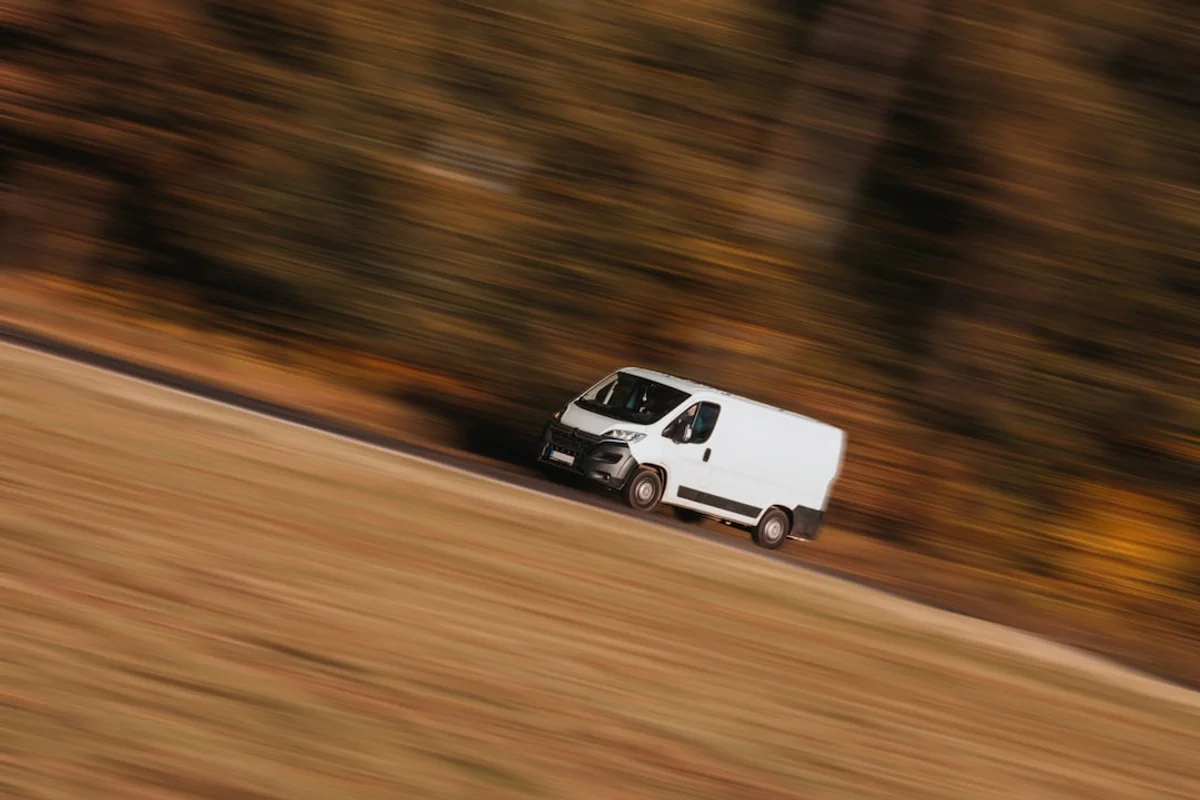

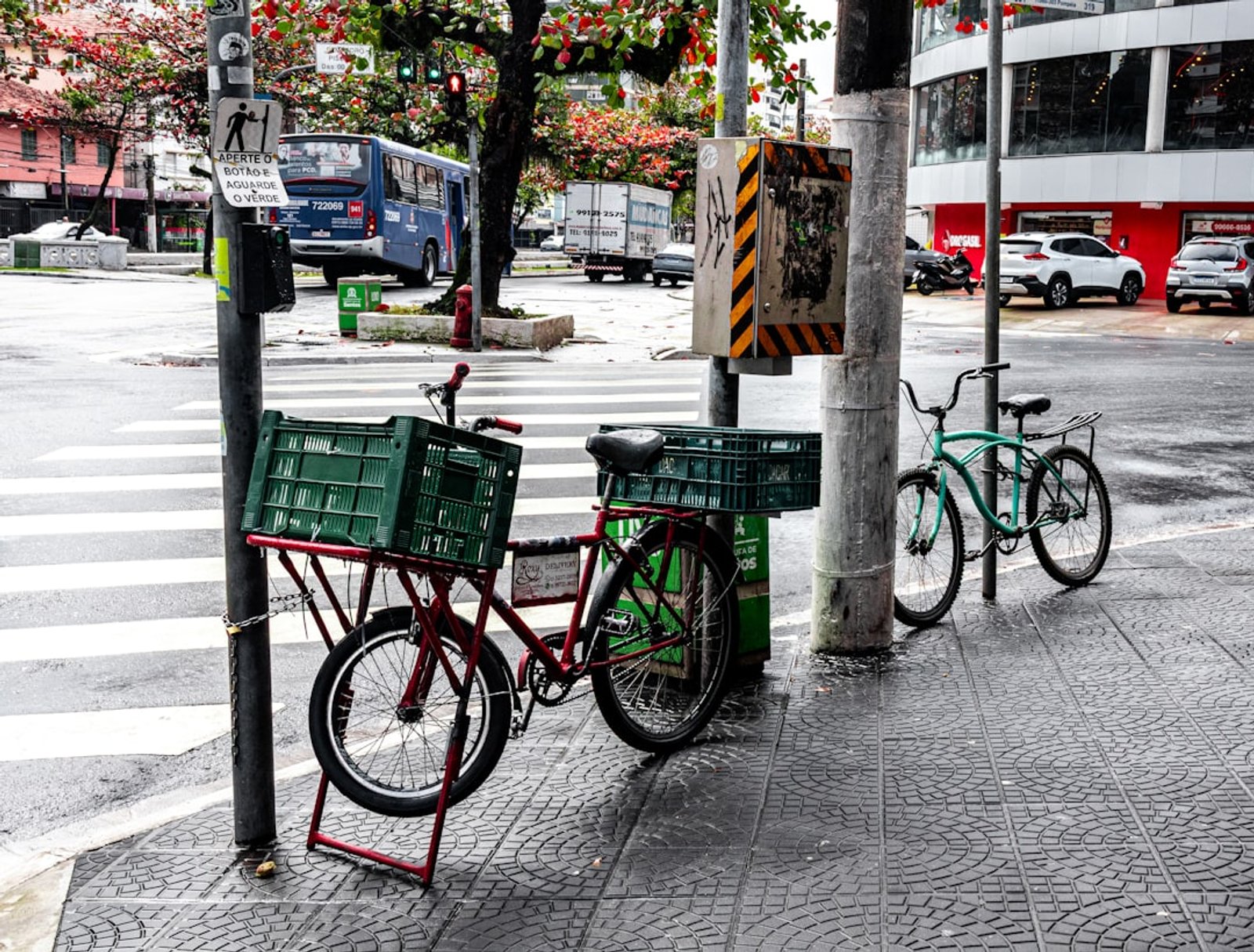
Photo by Juan Pablo on Unsplash
The last mile in logistics represents the final step in the delivery process, where a parcel reaches the customer's doorstep. For e-commerce operators and logistics managers, mastering the last mile is crucial for enhancing customer satisfaction and maintaining competitive advantage. In this article, we delve into the complexities of last-mile operations, offering insights into optimizing shipping, managing carriers, and improving fulfillment processes.
Understanding the last mile in shipping
The last mile is often the most challenging and costly segment of the shipping process. It involves navigating urban environments, managing high delivery volumes, and meeting customer expectations for speed and reliability. For e-commerce businesses, that makes efficiency in this phase critical.
To tackle these challenges, logistics operators employ various strategies, including optimizing delivery routes, leveraging local distribution centers, and integrating advanced tracking systems. By understanding the intricacies of last-mile logistics, businesses can enhance their delivery performance and reduce operational costs.
The role of carriers in last-mile fulfillment
Carriers play a pivotal role in last-mile fulfillment, acting as the bridge between businesses and customers. Selecting the right carrier mix is essential for meeting service level agreements (SLAs) and ensuring timely deliveries. Multi-carrier strategies allow businesses to leverage the strengths of different carriers, from national networks to local carriers, providing flexibility and resilience.
However, managing multiple carriers can add complexity: each carrier has its own systems and its own products. Businesses need one place that keeps those differences out of the daily work. Platforms like Zippendo offer solutions for multi-carrier shipping, with streamlined label generation and a live view of every shipment.
Optimizing last-mile shipping operations
Optimization of last-mile operations is crucial for reducing costs and enhancing delivery performance. Key strategies include route optimization, dynamic driver scheduling, and leveraging technology for real-time tracking and communication. By implementing these strategies, logistics operators can improve delivery accuracy and reduce the risk of delays.
Additionally, preparing for peak-season scaling is vital. This involves stress-testing systems, refining operational workflows, and ensuring carrier capacity aligns with demand. By proactively addressing these aspects, businesses can maintain service quality even during high-demand periods.
Handling returns in last-mile logistics
Returns are an integral part of the last-mile logistics process, with significant implications for customer satisfaction and cost management. Efficient returns handling involves clear return policies, streamlined processes, and effective reverse logistics solutions. Businesses must balance ease of returns for customers with operational efficiency to minimize costs.
Implementing a robust returns management system can help businesses track returned items, process refunds promptly, and restock inventory efficiently. By optimizing returns processes, companies can enhance customer loyalty and reduce the financial impact of returns.
The impact of technology on last-mile efficiency
Technology is a key enabler in optimizing last-mile logistics. Advanced software solutions offer capabilities such as real-time tracking, automated notifications, and data analytics. These tools provide visibility into delivery operations, allowing businesses to identify bottlenecks and improve efficiency.
Moreover, technology facilitates better customer communication, enhancing the delivery experience. From automated SMS updates to interactive delivery scheduling, technology empowers customers with more control over their deliveries. As technology continues to evolve, its role in last-mile logistics will only grow, offering new opportunities for innovation and improvement.
Key takeaways
The last mile is often the costliest leg of shipping.
Multi-carrier strategies enhance delivery flexibility.
Technology boosts last-mile efficiency and visibility.
Returns management is crucial for cost control.
Peak-season scaling requires proactive preparation.
Frequently asked questions
Mastering last-mile logistics requires a strategic approach to carrier management, technology integration, and operational efficiency. By embracing these elements, businesses can enhance their delivery performance and customer satisfaction. Explore how Zippendo can support your logistics operations with robust multi-carrier solutions and advanced fulfillment capabilities.
Sincerely yours,

Jonas Bang
Jonas Bang · Co-founder, CPO