
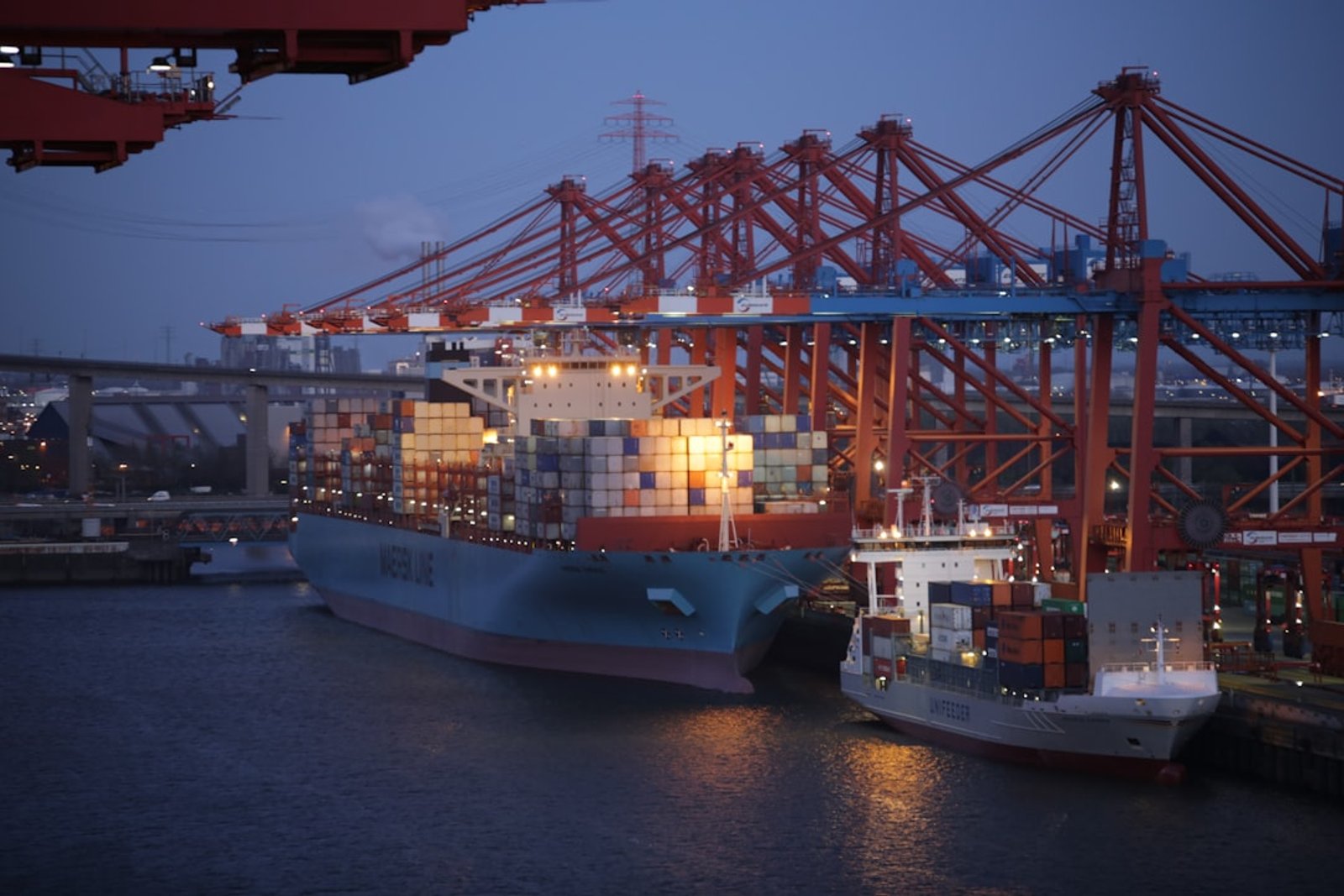
Photo by Bernd 📷 Dittrich on Unsplash
In the ever-evolving landscape of logistics, the concept of 'freight again' has become a critical focal point for businesses aiming to enhance their shipping and fulfillment strategies. As e-commerce continues to grow, operators must adapt to the complexities of multi-carrier ecosystems, fluctuating demand, and the intricacies of international shipping. This article is tailored for logistics managers and e-commerce operators seeking to optimize their supply chain operations and maintain customer satisfaction during peak seasons.
Understanding the Freight Again Challenge
Freight again refers to the cyclical nature of logistics challenges that businesses face, particularly during peak seasons. These include managing increased order volumes, navigating carrier delays, and ensuring timely deliveries. The ability to efficiently manage freight operations can directly impact customer satisfaction and operational costs. To address these challenges, businesses must leverage advanced logistics strategies and technologies that offer robustness and flexibility.
Operators often encounter issues such as carrier capacity constraints and last-mile inefficiencies. By understanding these challenges, companies can develop proactive solutions that mitigate disruptions and improve overall service levels.
Optimizing Shipping with Multi-Carrier Strategies
A multi-carrier shipping strategy allows businesses to dynamically select the most appropriate carrier for each shipment based on factors like cost, speed, and reliability. This flexibility is crucial during peak seasons when carrier capacities are strained. By integrating multiple carriers into the checkout process, businesses can offer customers a variety of shipping options, enhancing the purchasing experience and reducing cart abandonment rates.
- Carrier APIs: Ensure seamless integration and real-time data exchange.
- SLAs: Define clear service level agreements to set customer expectations.
Zippendo offers comprehensive multi-carrier management, enabling businesses to automate label generation and track shipments across carriers. This not only improves operational efficiency but also enhances visibility into the shipping process.
Mastering Last-Mile Fulfillment
Last-mile delivery is often the most complex and costly part of the shipping process. Ensuring efficient last-mile fulfillment requires strategic planning and technology integration. Operators must consider factors such as delivery timeframes, route optimization, and customer preferences for collection points.
Utilizing technologies like GPS tracking and dynamic routing can significantly enhance last-mile efficiency, reducing delivery times and costs while improving customer satisfaction.
Handling Returns and Customs Efficiently
Returns and customs present unique challenges that require streamlined processes to avoid delays and additional costs. Efficient returns management can enhance customer loyalty and reduce operational burdens. Implementing a clear returns policy and using technology to automate the process can simplify handling returns.
For international shipments, understanding customs regulations and preparing documentation in advance can prevent delays and ensure compliance. Leveraging logistics platforms that offer customs support can streamline this process.
Scaling with Warehousing and Fulfillment
Warehousing plays a crucial role in scaling logistics operations, especially during peak seasons. By optimizing warehousing strategies, businesses can efficiently manage inventory levels and reduce fulfillment times. Techniques such as just-in-time inventory and cross-docking can enhance warehousing efficiency.
Zippendo provides solutions that integrate warehousing with fulfillment operations, offering real-time inventory tracking and automated workflows that support peak season scaling.
The Role of Technology in Modern Freight
Technology is at the heart of modern freight management. From API integrations that facilitate multi-carrier operations to advanced analytics that drive decision-making, technology enables businesses to operate efficiently and adapt to changing market conditions.
Implementing robust logistics platforms with features such as observability and retries/idempotency can significantly enhance reliability, especially during peak seasons when demand is high and errors can be costly.
Frequently Asked Questions
Key Takeaways
Multi-carrier strategies enhance flexibility.
Optimize last-mile with technology.
Streamline returns for better efficiency.
Leverage technology for peak season scaling.
Integrate warehousing with fulfillment for efficiency.
Navigating the complexities of 'freight again' requires a strategic approach that leverages technology and multi-carrier solutions. By adopting these practices, businesses can enhance their logistics operations, ensuring they not only meet customer expectations but also thrive during peak seasons. Explore how Zippendo's logistics platform can streamline your shipping processes and improve your operational efficiency.